
The Land Rover G4 Challenge
Exploring the Legacy of the Land Rover G4 Challenge
A historical look back at Land Rover’s last great global adventure
The Land Rover G4 Challenge stands as one of the most ambitious and spirited chapters in the brand’s history — a short‑lived but unforgettable celebration of global exploration, human endurance, and the unmistakable capability of Land Rover vehicles. Though it ran for only two official events, the G4 Challenge left a lasting mark on the off‑road community and continues to influence modern overlanding culture today.
A Successor to the Camel Trophy
When the legendary Camel Trophy ended in 2000, Land Rover faced a challenge of its own: how to honour the spirit of adventure that defined the brand for decades while adapting to a new era. The answer arrived in 2003 with the launch of the G4 Challenge — a competition that blended off‑road driving with adventure sports, global travel, and real‑world problem‑solving.
Where Camel Trophy was rugged, muddy, and survival‑driven, the G4 Challenge was more modern and athletic. It introduced a new formula: 4×4 capability + endurance sports + international competition.
The 2003 Challenge — A Global Test of Skill
The inaugural 2003 event spanned four countries — the USA, South Africa, Australia, and the UK — pushing competitors through a month of intense driving stages, mountain biking, kayaking, climbing, and navigation challenges.
Vehicles included:
- Freelander
- Discovery
- Range Rover
- Defender
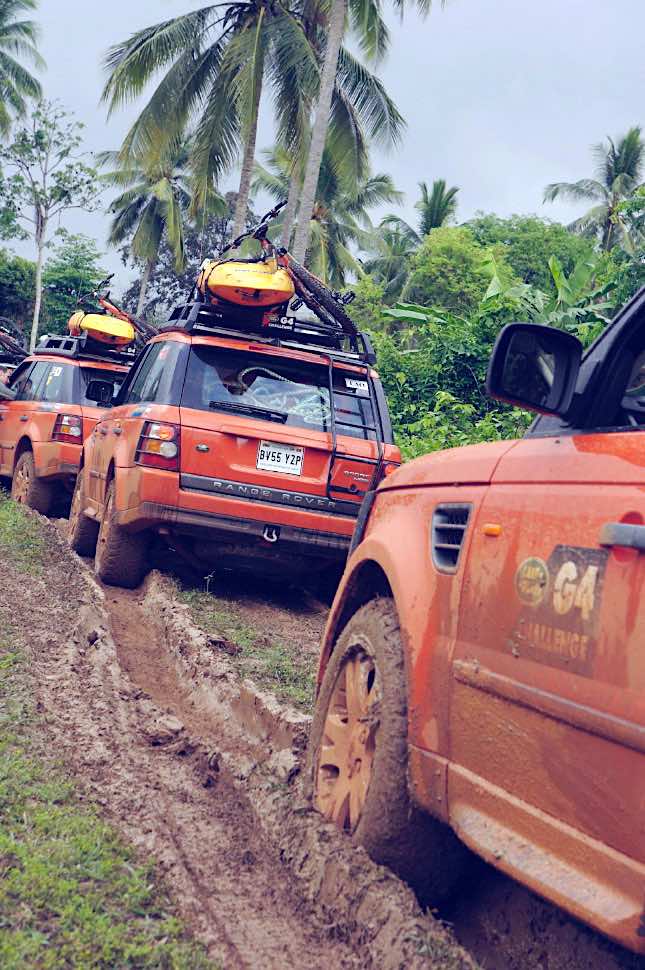
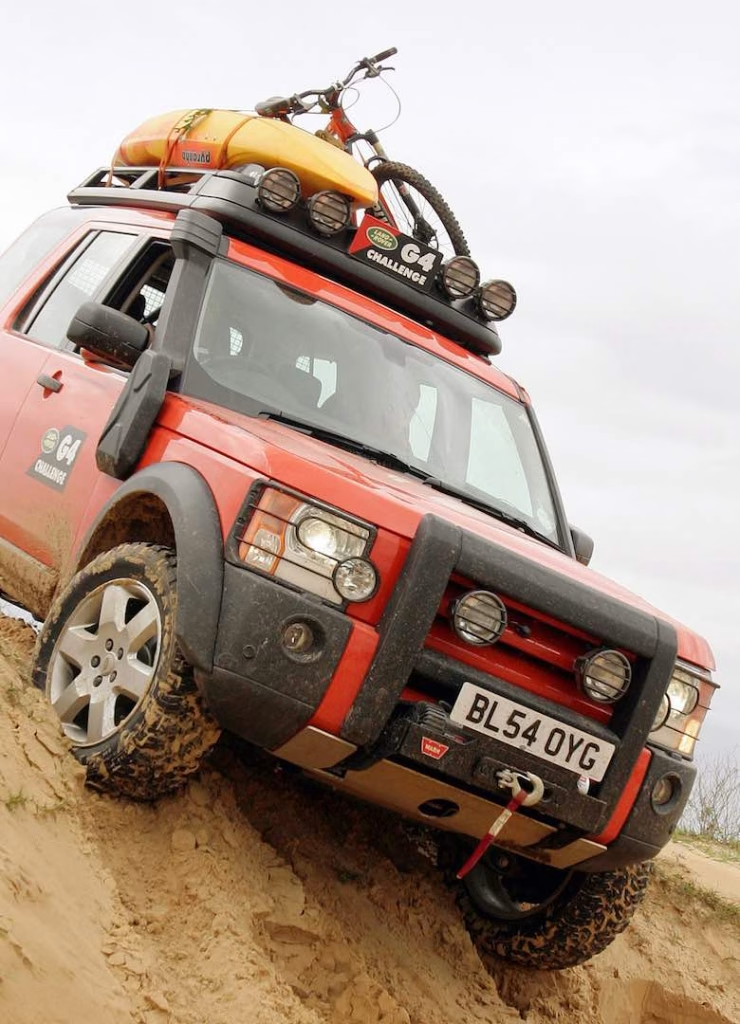
Each one finished in the now‑iconic Tangiers Orange, a colour that has become synonymous with the G4 era.
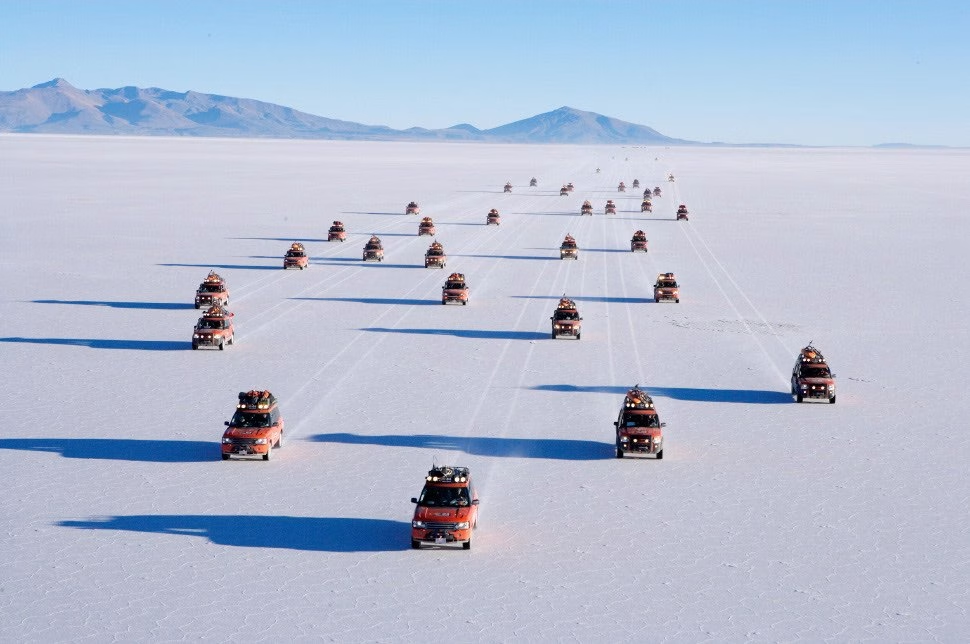
The event showcased Land Rover’s versatility: from desert tracks to dense forests, from technical rock crawls to urban challenges in New York City.
The 2006 Challenge — Refinement and Evolution
The second G4 Challenge in 2006 expanded the format, introducing more technical driving stages and a broader mix of adventure disciplines. Vehicles included the Range Rover Sport, Discovery 3, and Freelander 2, each equipped with G4‑specific accessories and expedition gear.
This event cemented the G4 Challenge as a true global spectacle — part motorsport, part expedition, part endurance race.
The Cancelled 2009 Event
A third G4 Challenge was planned for 2009, with teams already selected and training underway. However, the global financial crisis forced Land Rover to cancel the event before it began.
Despite its short lifespan, the G4 Challenge had already built a passionate following — one that remains strong today.
What Made the G4 Challenge Special
For enthusiasts, the G4 Challenge represents a unique blend of:
- Authentic adventure
- Real‑world driving skill
- Global exploration
- Purpose‑built Land Rover vehicles
It wasn’t just a marketing exercise — it was a genuine test of capability, teamwork, and endurance.
The vehicles themselves have become collector favourites, especially the Discovery 3 and Defender models equipped with factory G4 accessories.
The G4 Legacy in Modern Overlanding
Although the event ended, its influence lives on. The G4 Challenge helped shape today’s overlanding culture by promoting:
- Adventure travel
- Self‑reliance
- Multi‑discipline challenges
- Purpose‑built expedition vehicles
Many enthusiasts still build G4‑inspired rigs, complete with roof racks, winches, ladders, and the unmistakable orange paintwork.
Why the G4 Challenge Still Matters
For Land Rover fans, the G4 Challenge represents the last great era of factory‑supported global adventure.
It captured the imagination of drivers around the world and reinforced Land Rover’s identity as a brand built for exploration.
Even today, spotting a genuine G4 vehicle — or a well‑executed tribute build — feels like seeing a piece of living history.
Final Thoughts
The Land Rover G4 Challenge may have been short‑lived, but its impact is undeniable.
It carried forward the spirit of the Camel Trophy while introducing a new generation to the thrill of global adventure.
For enthusiasts, collectors, and overlanders, the G4 Challenge remains a symbol of what makes Land Rover truly special.