LAND ROVER HERITAGE
Land Rover Camel Trophy
The world’s toughest off-road competition and the vehicles that became legends because of it.
Long before overlanding became a lifestyle movement, before adventure influencers and expedition builds filled social media feeds, there was the Camel Trophy. Part endurance challenge, part engineering test and part survival exercise, it became the proving ground for some of the most iconic Land Rovers ever built.
The Olympics of 4×4
Although often mistaken for a race, the Camel Trophy was something entirely different. Teams were evaluated on navigation, vehicle recovery, teamwork and endurance as they crossed some of the harshest terrain on Earth.
Rainforests, deserts, glaciers and mountain trails formed the backdrop to an event that frequently pushed both vehicles and competitors to their absolute limits.
CAMEL TROPHY FACTS
- Founded in 1980
- Land Rover entered in 1981
- Held across five continents
- Team-based competition
- Known as the “Olympics of 4×4”
- Concluded in 1998
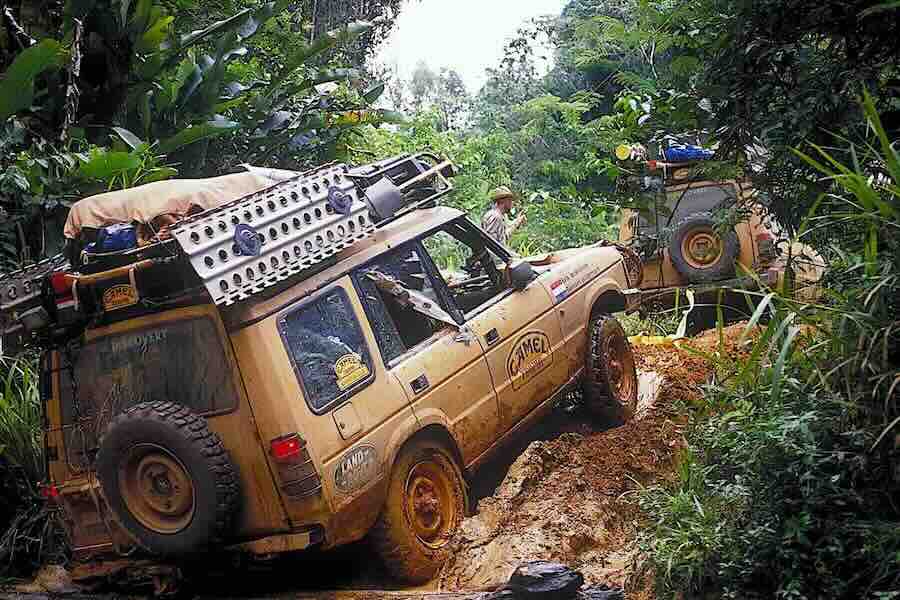
Few events have tested production-based four-wheel drives as severely as Camel Trophy.
Why Land Rover Dominated the Event
Land Rover’s success was not built on horsepower or speed. The vehicles succeeded because of sound engineering principles that prioritised durability, repairability and mechanical traction.
In environments where breakdowns could end an expedition hundreds of kilometres from assistance, simple engineering often proved superior to complexity.
When the road disappeared entirely, the Land Rover still had a job to do.
Technical Breakdown
| System | Technical Advantage | Camel Trophy Benefit |
|---|---|---|
| Permanent 4WD | Continuous torque distribution | Improved traction on unstable surfaces |
| Ladder Chassis | Exceptional torsional strength | Survived repeated recovery operations |
| Solid Axles | Maximum articulation | Maintained ground contact in rough terrain |
| Aluminium Body | Corrosion resistance | Ideal for tropical climates |
| Simple Driveline | Ease of field repairs | Greater expedition reliability |
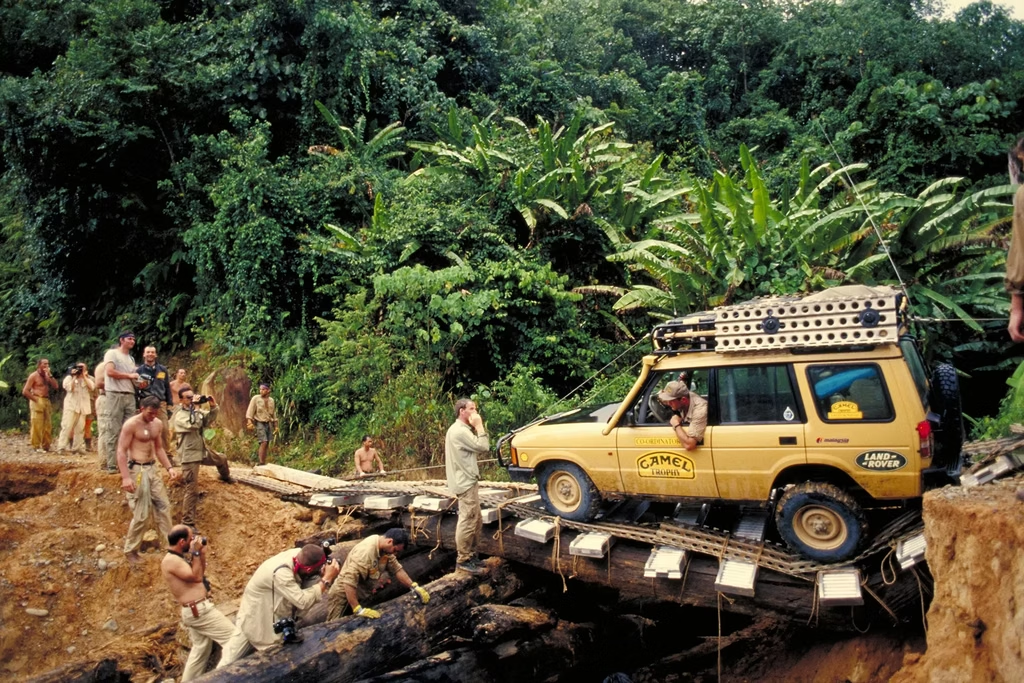
The challenge wasn’t getting stuck. Every team got stuck. The challenge was getting moving again.
Equipment That Became Industry Standard
Many modifications now viewed as essential overlanding equipment entered mainstream four-wheel-drive culture through Camel Trophy vehicles.
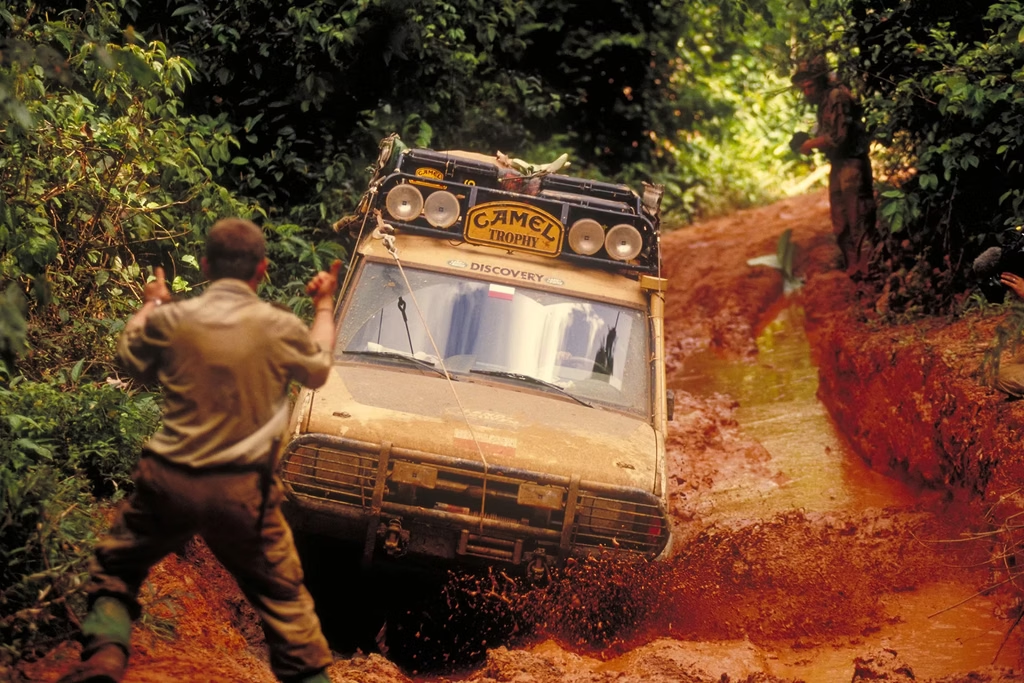
Camel Trophy Vehicle Timeline
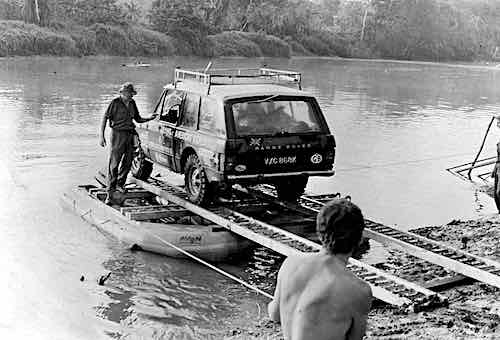
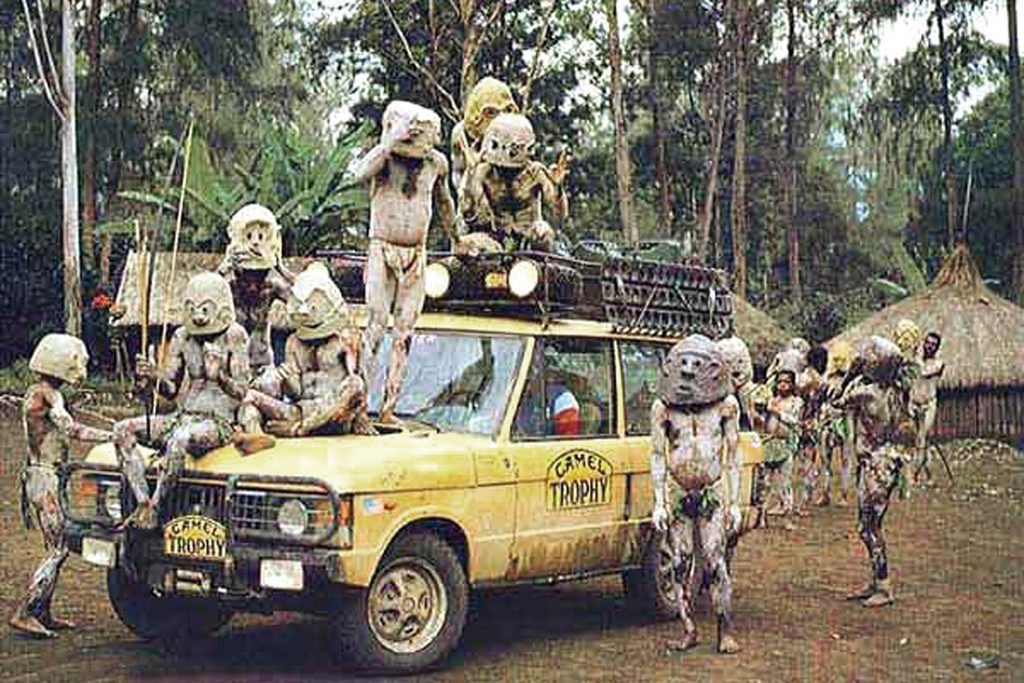
- 1981-1983 • Range Rover
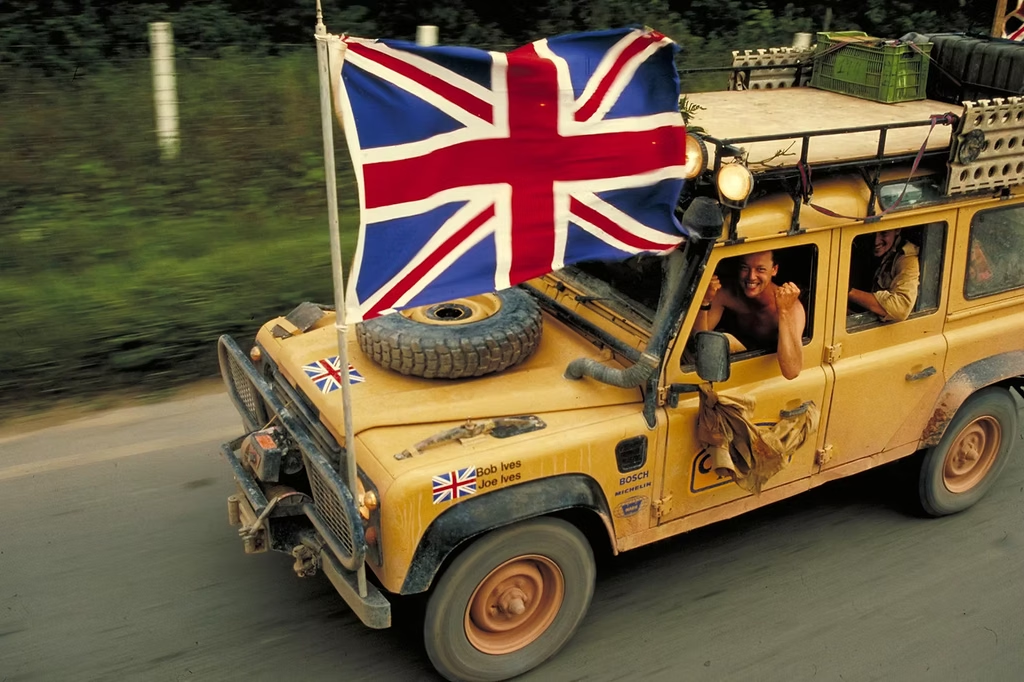
- 1984-1988 • Land Rover Ninety & One Ten
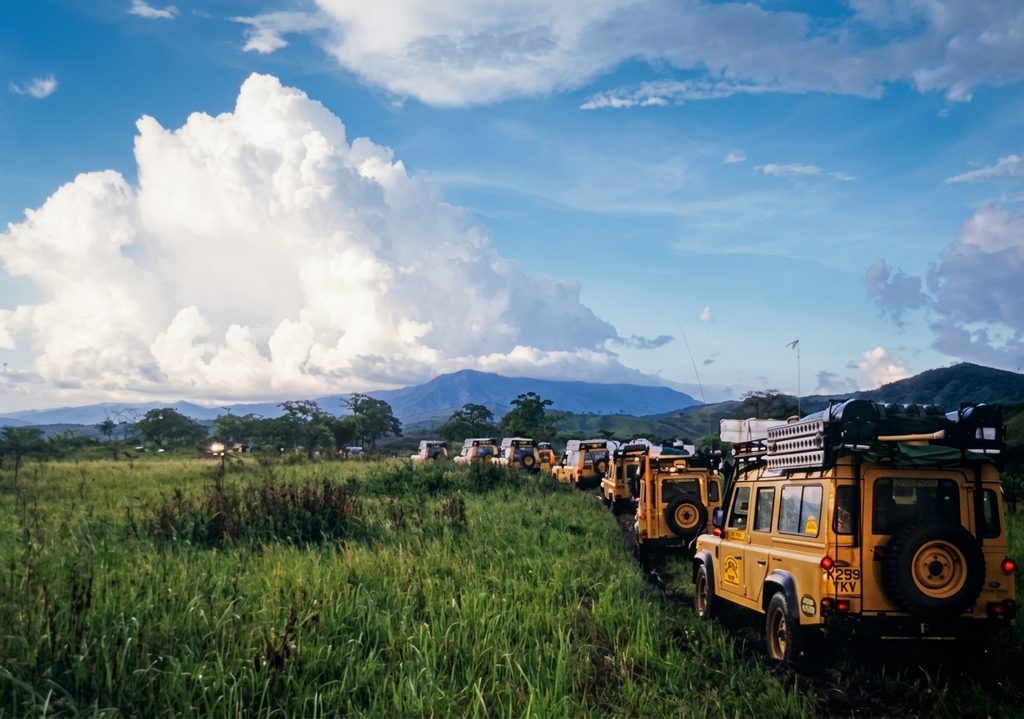
- 1989-1997 • Defender 110
- Multiple Events • Discovery Support & Competition Roles
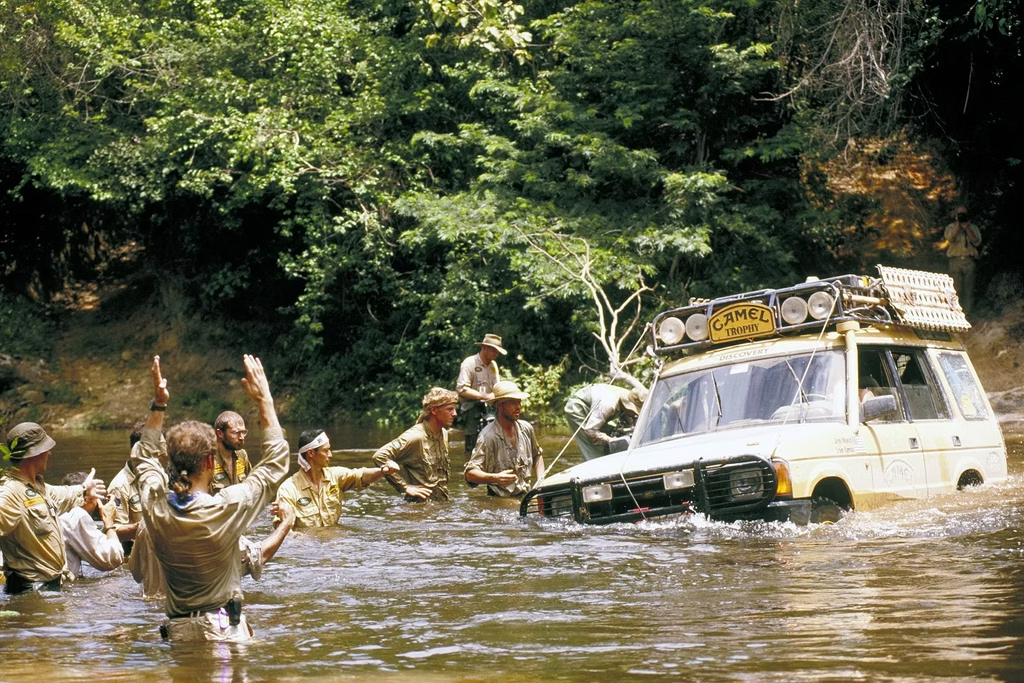
A Legacy That Refuses to Die
Although the final Camel Trophy was held in 1998, its influence remains everywhere in modern adventure travel. Today’s overland vehicles, expedition builds and self-supported travel concepts all trace elements of their design philosophy back to the event.
For Land Rover enthusiasts, Camel Trophy represents the perfect combination of engineering, exploration and capability. It showcased vehicles operating exactly as their designers intended: crossing terrain where maps became suggestions and mechanical reliability became everything.
Conclusion
The Camel Trophy was never simply a marketing exercise. It became one of the most demanding real-world demonstrations of off-road capability in automotive history. More than twenty years later, the unmistakable sight of a Camel Yellow Land Rover tackling impossible terrain remains one of the most iconic images ever associated with adventure motoring.